About Moyo Mzuri
A practical initiative for children, women, and caregivers.
Touching hearts, empowering lives through inclusive education, caregiver support, therapy access, and community care.
About Moyo Mzuri
A practical initiative for children, women, and caregivers.
Moyo Mzuri Children & Women Initiative advances inclusive education and community-based support for children with disabilities in rural Uganda.
Vision
A Uganda where every child is seen, supported, and able to belong.
Our vision is to see children with disabilities and vulnerable children learning, participating, and living with dignity in communities that recognise their value and strengthen the caregivers around them.
Touching hearts, empowering lives.
How the vision becomes practical
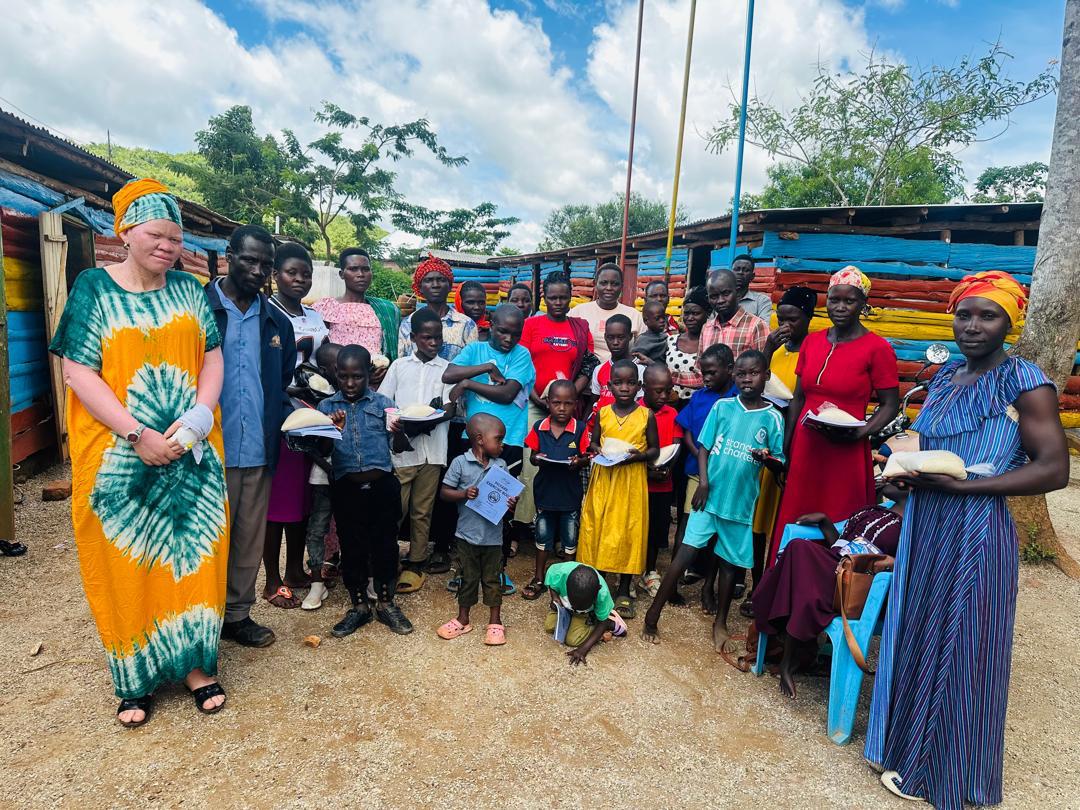
Moyo Mzuri turns inclusion into daily support: school materials that keep children in class, caregiver guidance that reduces pressure at home, therapy and referral links where care is needed, and community conversations that challenge stigma.
The goal is not a one-time visit. It is a support circle strong enough for a child to keep learning, a caregiver to keep going, and a community to keep opening doors.
Intended Outcomes
The difference Moyo Mzuri is working toward.
Moyo Mzuri is designed to move beyond activities into visible changes in daily life. The goal is not only to deliver help, but to see children, caregivers, schools, and communities behave differently because support has become practical, consistent, and dignified.
Participation increases
Children with disabilities and vulnerable children participate more consistently in school, care routines, play, and community life.
Stability and confidence grow
Caregivers gain practical guidance, livelihood options, encouragement, and a stronger sense that they are not carrying the load alone.
Attitudes become more inclusive
Teachers, neighbours, and local leaders become more responsive to disability inclusion, reducing stigma and increasing everyday acceptance.
Strategic Positioning
Positioned where inclusion becomes practical.
The initiative sits at the intersection of disability inclusion, inclusive education, caregiver empowerment, community development, and systems strengthening. That positioning matters because a child is rarely excluded by one barrier alone.
Rights-based inclusion
Every child is approached as a rights-holder with dignity, not as a charity case.
Inclusive education
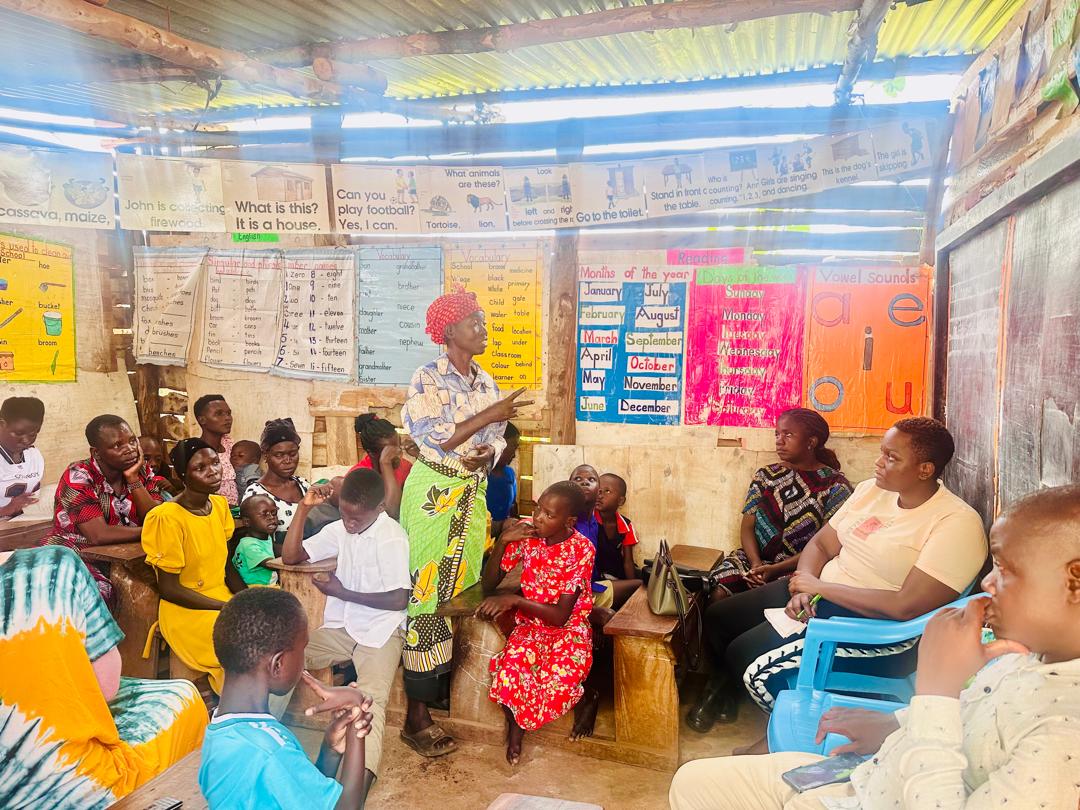
School support is tied to attendance, confidence, learning materials, and teacher-caregiver contact.
Caregiver empowerment
Household stability is treated as part of the child pathway, not an optional extra.
Community systems
Local leaders, schools, families, and health links are kept connected so progress can hold.
Our Team
Led by people who understand systems, service, and community care.
Moyo Mzuri is guided by leaders with experience in finance, human resource management, social work, and field coordination. That mix matters because the work requires compassion, accountability, planning, and constant follow-up with families.
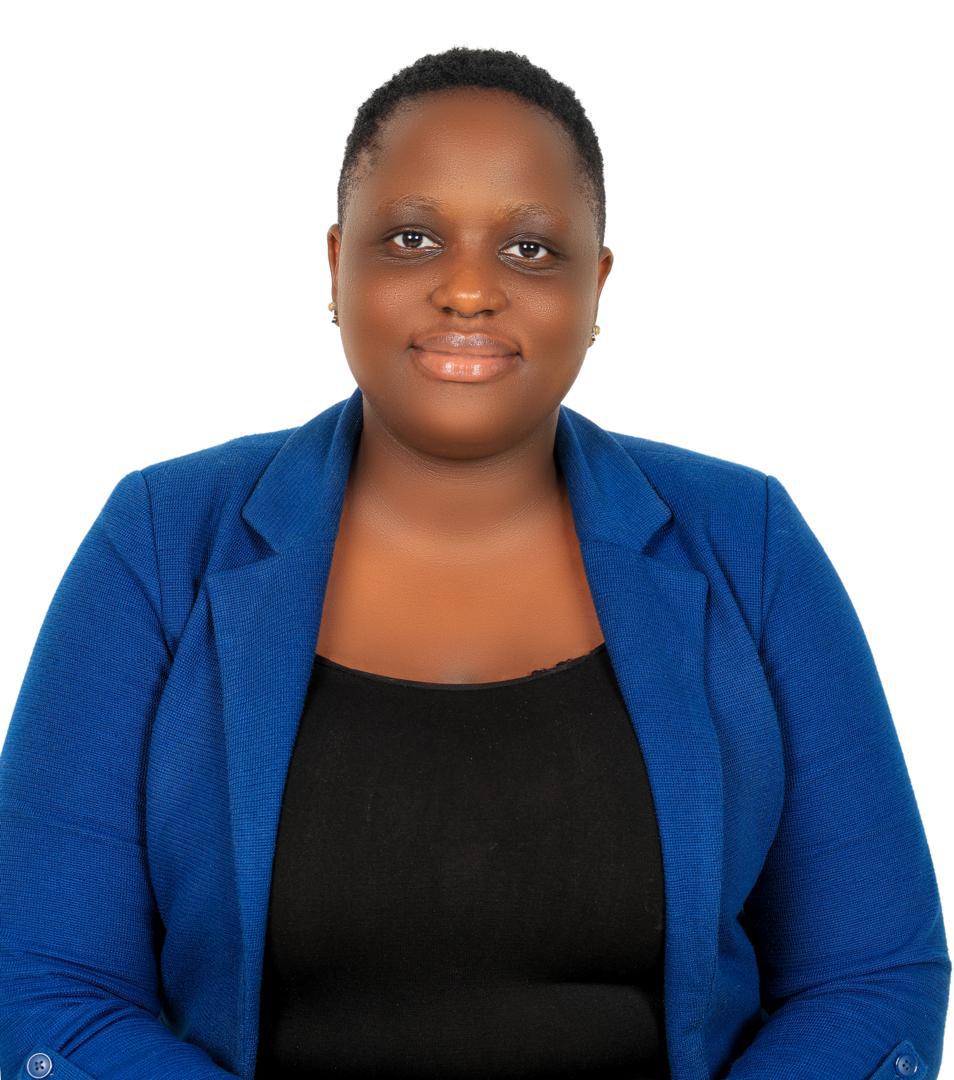
Judith Mukhaye
Co-founder and Managing Director
Judith brings a disciplined background in banking and human resource practice to Moyo Mzuri. She helps shape the initiative with strong governance, people-centred leadership, and practical systems that keep support accountable to children, caregivers, and partners.
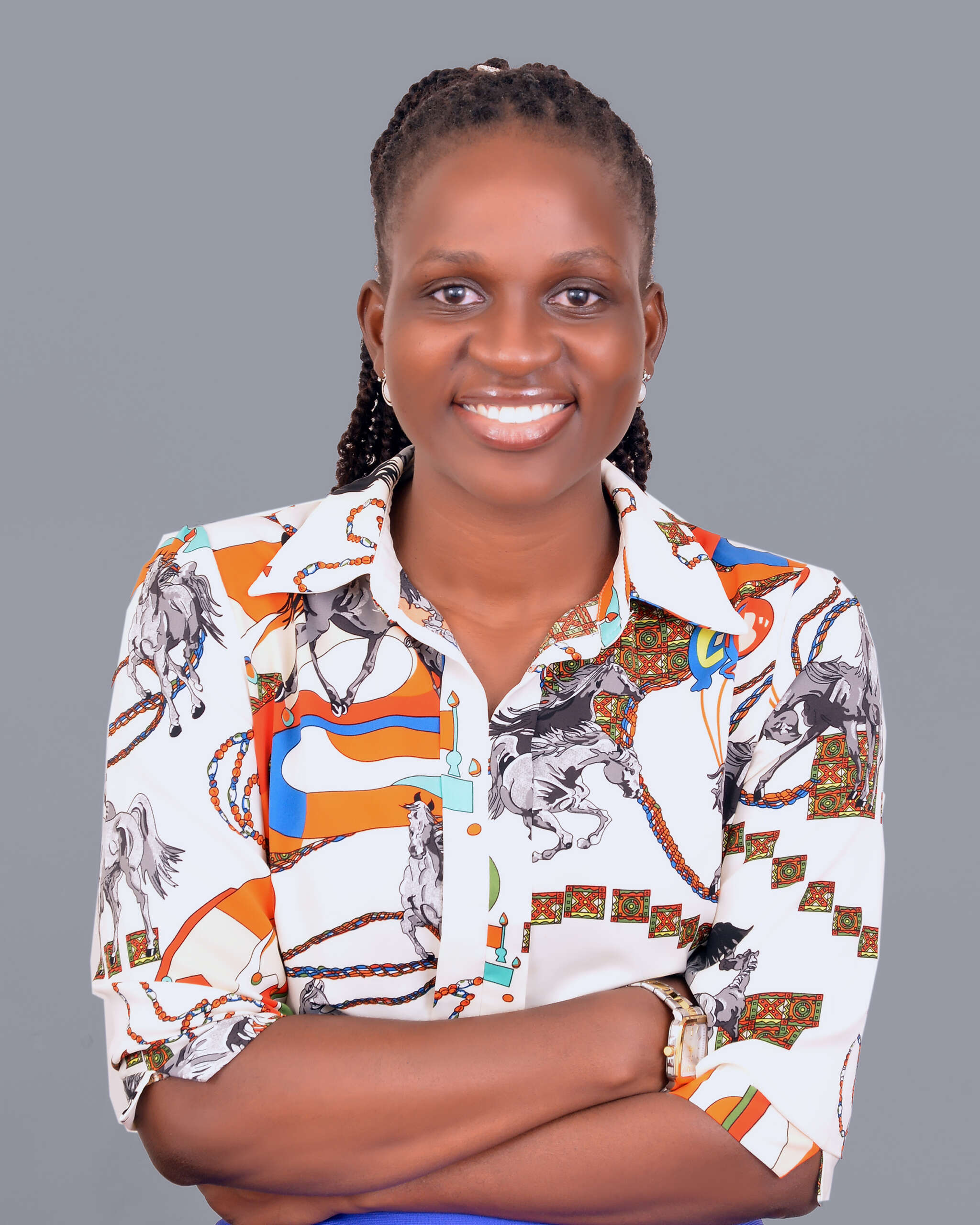
Daphine Kamiti
Co-founder and Chief Operating Officer
Daphine combines accounting experience with social work insight. Her role connects field realities with responsible operations, ensuring that resources, follow-up, and caregiver support are organised around the actual needs of families.
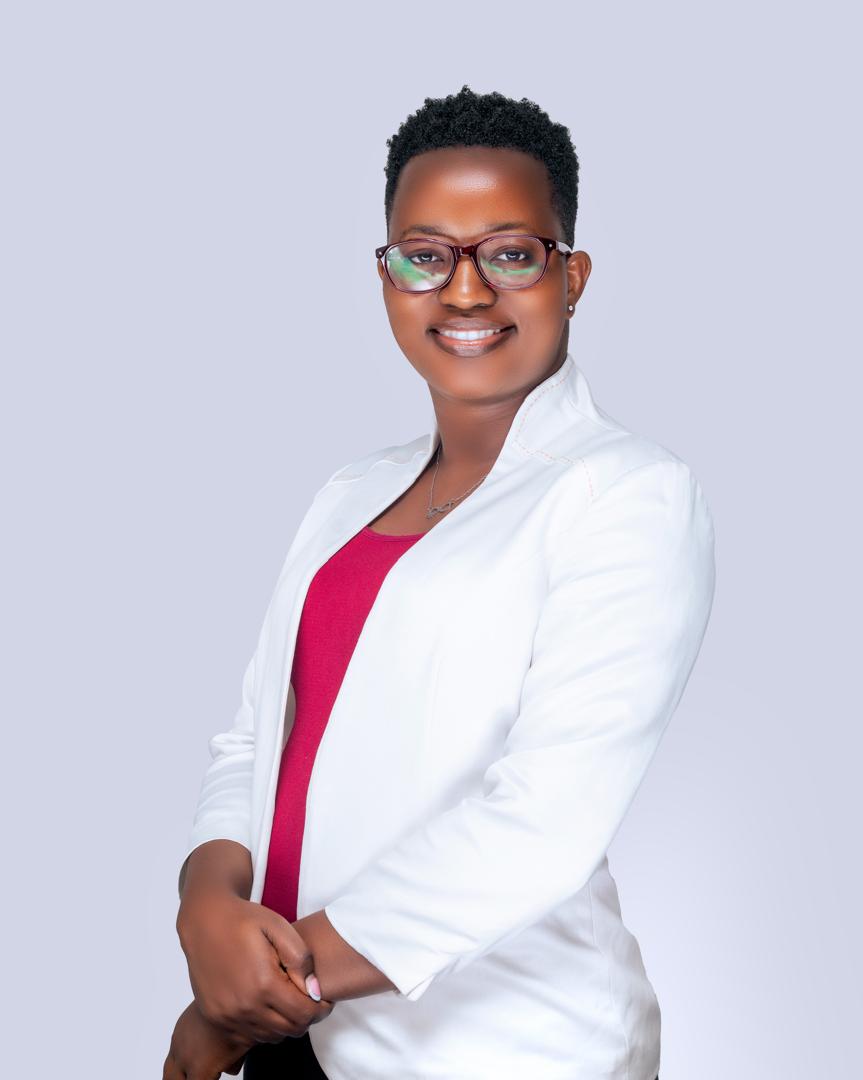
Winnie Buwaya
Board Member
Winnie contributes experience in banking and human resource management. She strengthens board oversight, organisational discipline, and the kind of people-focused decision making that helps Moyo Mzuri grow responsibly.
Our approach
Moyo Mzuri works around the full ecosystem of a child: the home, the caregiver, the school, the health pathway, and the wider community.
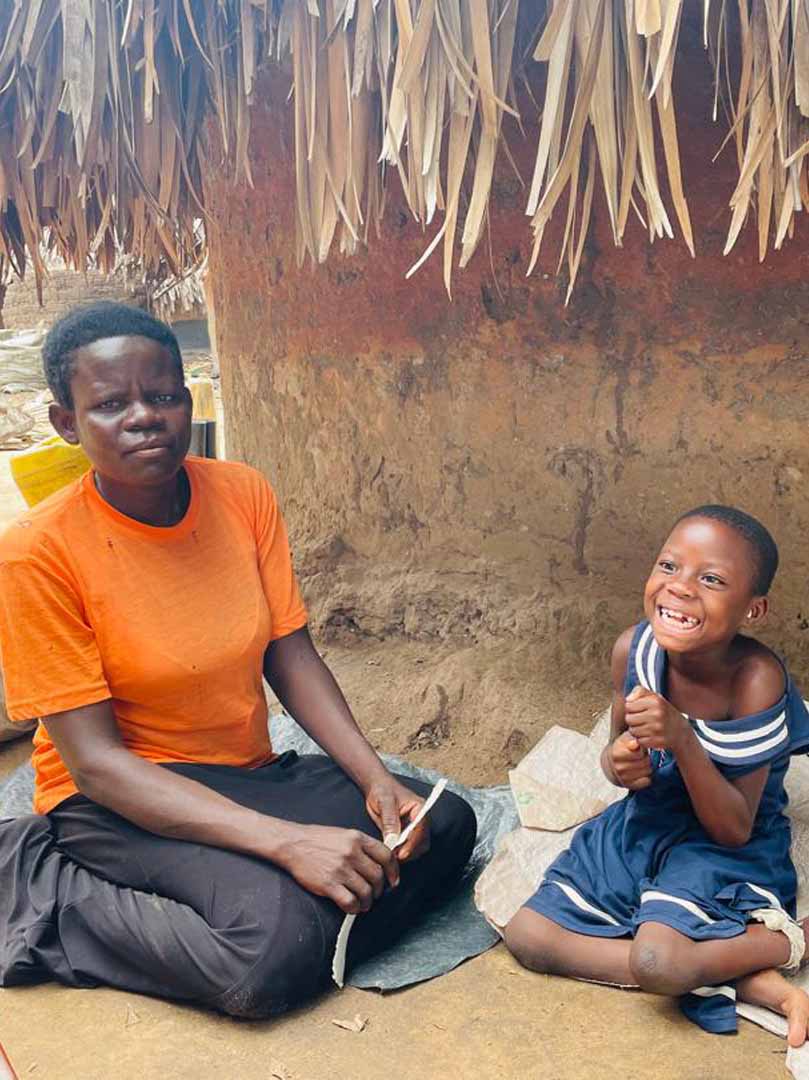
The work is direct and practical. Children need school materials, meals, therapy links, follow-up, and a community that welcomes them. Caregivers need stability, knowledge, and livelihood support that helps them keep going.
Our mission
To advance inclusive education by supporting caregivers, schools, and communities so every child can learn, participate, and belong.
Current districts
- Buyende
- Jinja
- Kaliro
- Sironko
- Manafwa
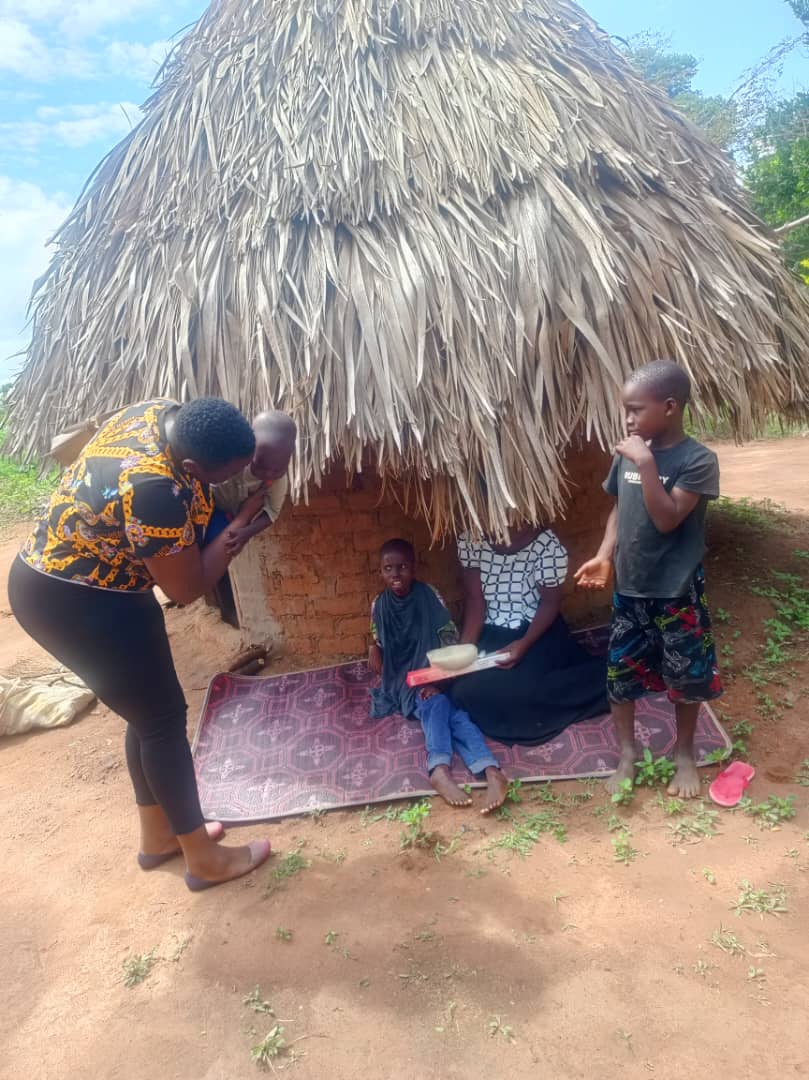
Home visits
School essentials
Therapy links
Caregiver support
Community dialogue
Inclusive education
Follow-up care
Livelihood pathways
Home visits
School essentials
Therapy links
Caregiver support
Community dialogue
Inclusive education
Follow-up care
Livelihood pathways
Inclusion Flow
From household need to lasting participation.
Moyo Mzuri begins with the real situation around a child: disability needs, school access, caregiver pressure, household income, transport barriers, and local attitudes. The team listens first, responds to urgent gaps, links the family to a fitting pathway, and stays in contact so progress becomes part of daily life.
Listen
Home visits, caregiver conversations, and local referrals help the team understand the child’s disability, school status, health needs, and the pressure on the household.
Stabilise
Immediate barriers are addressed first: school materials, meals, uniforms, caregiver guidance, transport coordination, or livelihood support where the family is under strain.
Connect
Families are linked to the right programme pathway, including education support, therapy access, medical review, community dialogue, and caregiver strengthening.
Follow Up
Children remain visible through repeat contact with caregivers, schools, local leaders, and neighbours, turning the first visit into sustained care.