Every child deserves to learn, belong, and thrive.Moyo Mzuri supports children with disabilities in rural Uganda to access school, therapy, care, and community acceptance.Sponsor a ChildSchool access should not depend on disability or poverty.We help children enter the classroom prepared through school essentials, caregiver follow-up, meals, and practical support.View ProgrammesStrong caregivers create stronger futures.Caregiver support, women-led livelihood activity, and community guidance help families build stability around each child.Get Involved
Mission
Building a reliable support system around each child.
Moyo Mzuri Children & Women Initiative supports children with disabilities whose progress is affected by poverty, stigma, distance from services, and school barriers. Our work is practical: identify the child, understand the household, coordinate school and care support, and keep following up.
The goal is not a one-time visit. It is a dependable circle of caregivers, teachers, health workers, local leaders, and neighbours who help each child participate with dignity.
Each support point has a clear role, so the work stays coordinated and does not repeat itself.
Home Stability
Guidance, encouragement, and caregiver livelihood support reduce pressure at home.
School Access
Materials, meals, uniforms, and follow-up help enrollment become consistent participation.
Care Links
Therapy referrals, medical review, and transport coordination connect families to appropriate support.
Community Acceptance
Dialogue with neighbours, schools, and local leaders reduces stigma and keeps children visible.
Impact Stories
Real support, visible change.
These stories work like field testimonials: they show what happens when practical support reaches the child, the caregiver, the school, and the wider community at the right time.
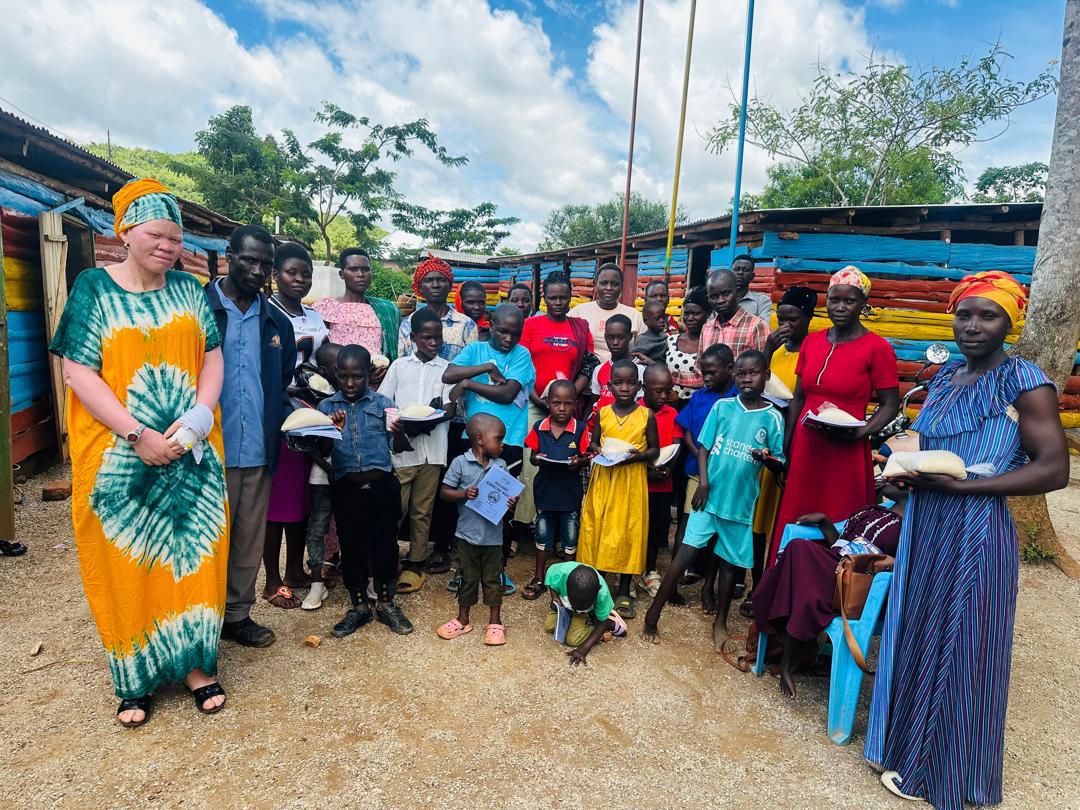
Busitema: children returned to class
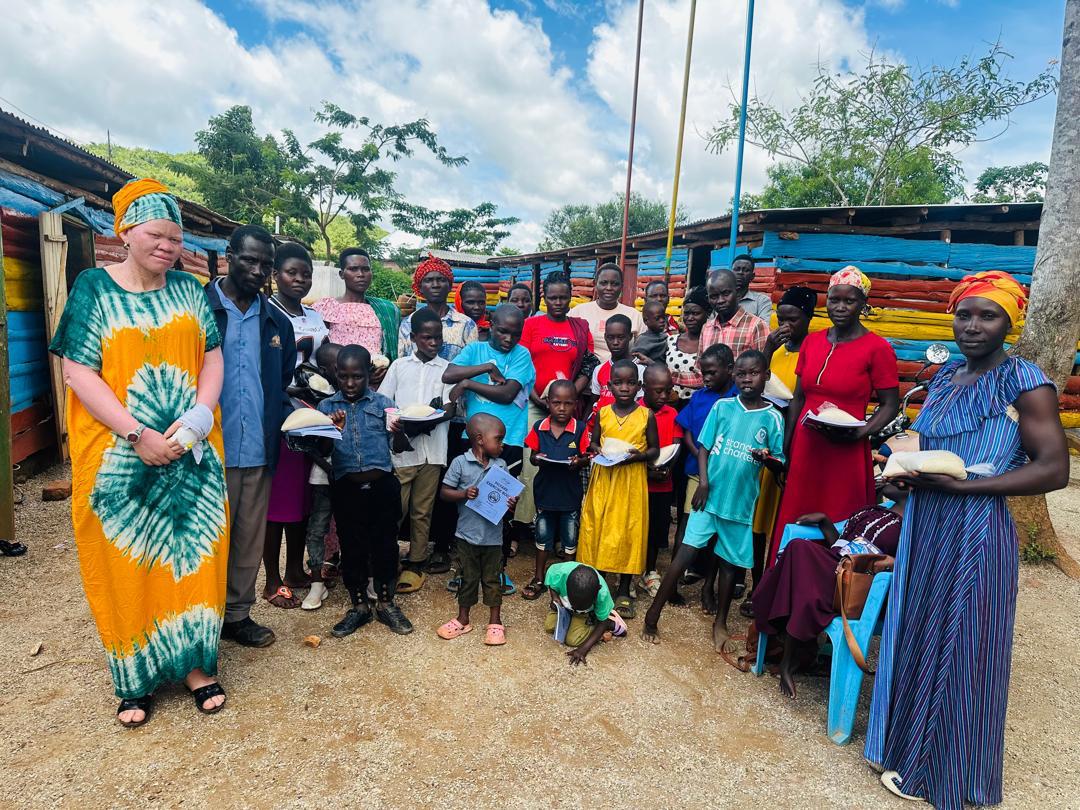
Scholastic materials helped children return to school, participate with confidence, and reduce the risk of dropping out.
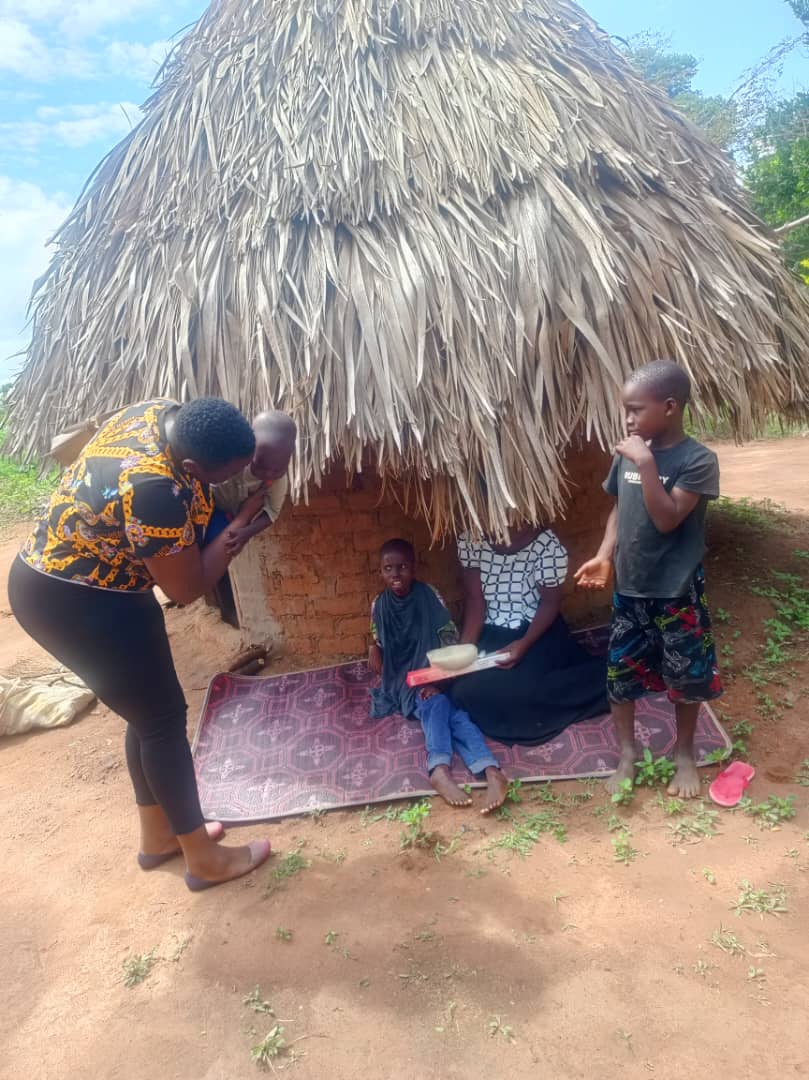
Home visits and community referrals help identify children who are isolated, out of school, or missing care.
Remove daily barriers
School essentials, meals, caregiver follow-up, and practical guidance reduce the obstacles that stop participation.
Connect care pathways
Therapy, health referrals, transport guidance, and family support are coordinated around real household needs.
Stay close enough
Moyo Mzuri follows up with caregivers and communities so support becomes a relationship, not a once-off event.
Evidence Framework
What difference are we seeing?
Moyo Mzuri is strengthening its evidence base by tracking both practical service delivery and the changes that follow for children, caregivers, schools, and communities. These indicators help partners see progress without reducing families to numbers.
How the evidence is used
Each visit, referral, school conversation, and caregiver follow-up helps the team decide what should happen next. The evidence is kept practical: it shows where a child is gaining access, where a caregiver needs more stability, and where the community still needs engagement.
Partner-ready reporting
Clear field notes after visits
Follow-up needs recorded
School and caregiver progress tracked
Support gaps made visible early
01
Child participation
Return-to-class moments, classroom confidence, play, care routines, and community visibility.
02
School retention signals
Materials received, attendance concerns, teacher follow-up, and risk of dropout being reduced.
03
Caregiver stability
Guidance sessions, livelihood support, caregiver confidence, and household coping capacity.
04
Therapy and referrals
Therapy links, health review, transport coordination, and referral follow-through where possible.
05
Community attitude shifts
Local leader engagement, caregiver dialogue, disability awareness, and signs of stigma reducing.
06
Follow-up engagement
Repeat contact, home visits, school check-ins, and unresolved needs flagged for action.
Home visits
School essentials
Therapy links
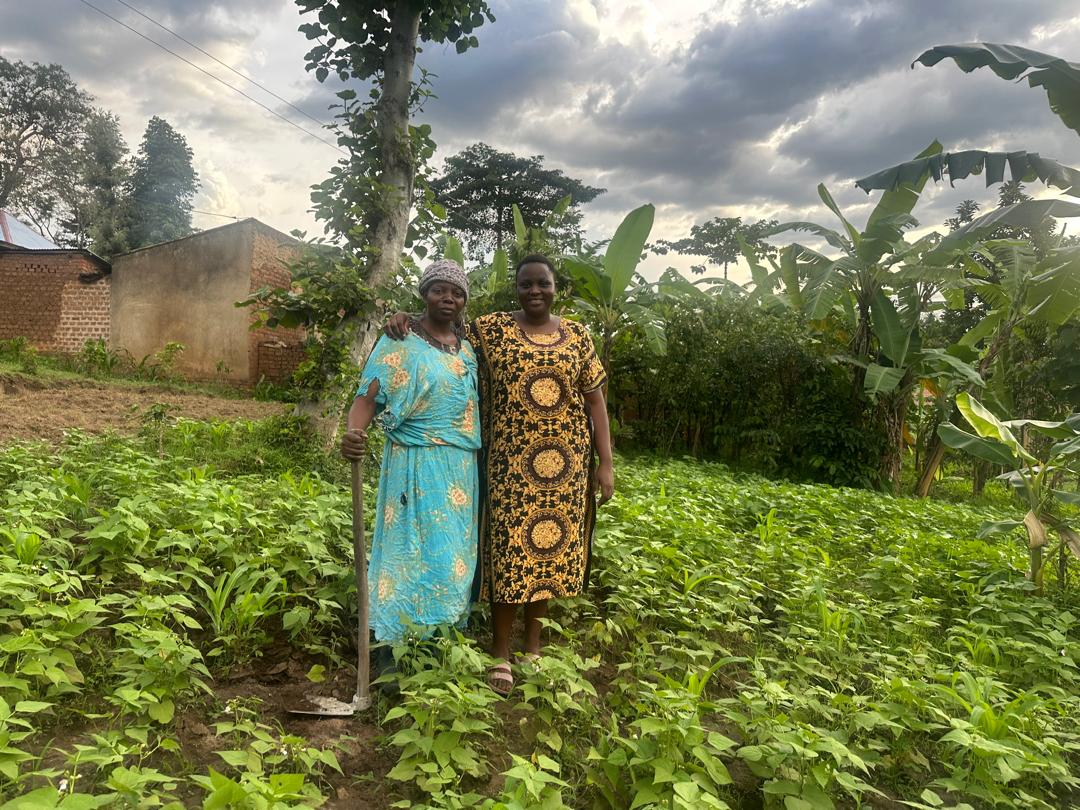
Caregiver support
Community dialogue
Inclusive education
Follow-up care
Livelihood pathways
Home visits
School essentials
Therapy links
Caregiver support
Community dialogue
Inclusive education
Follow-up care
Livelihood pathways
Inclusion Flow
From household need to lasting participation.
Moyo Mzuri begins with the real situation around a child: disability needs, school access, caregiver pressure, household income, transport barriers, and local attitudes. The team listens first, responds to urgent gaps, links the family to a fitting pathway, and stays in contact so progress becomes part of daily life.
Listen
Home visits, caregiver conversations, and local referrals help the team understand the child’s disability, school status, health needs, and the pressure on the household.
Stabilise
Immediate barriers are addressed first: school materials, meals, uniforms, caregiver guidance, transport coordination, or livelihood support where the family is under strain.
Connect
Families are linked to the right programme pathway, including education support, therapy access, medical review, community dialogue, and caregiver strengthening.
Follow Up
Children remain visible through repeat contact with caregivers, schools, local leaders, and neighbours, turning the first visit into sustained care.
What We Do
A practical route from need to belonging.
Each programme solves a different barrier: school access, care coordination, caregiver stability, or community acceptance. Together they help a child move from isolation to participation.
How the work flows
The pathway is simple, practical, and easy for visitors to understand.
Listen first
Start with the child, caregiver, school situation, health needs, and household pressure.
Stabilise the basics
Respond to immediate barriers such as school materials, meals, caregiver guidance, or livelihood support.
Connect the right support
Link families to education, therapy access, health review, community dialogue, or the relevant programme pathway.
Keep the child visible
Use follow-up visits and community relationships so children are not forgotten after the first intervention.
School enrollment support, backpacks with essentials, uniforms, shoes, school meals, learning materials, and follow-up so children with disabilities can remain in school.
Referrals, care coordination, transport guidance where possible, and links to physiotherapy, occupational therapy, speech therapy, and routine medical care.
Disability inclusion must reach the home, the school, and the community.
In many rural communities, poverty already forces families into difficult choices. For families caring for a child with a disability, care, transport, therapy, school materials, and daily needs compete for limited income.
39%higher monthly spending for households caring for a person with a disability, according to the 2020 UBOS Situational Analysis of Persons with Disabilities.
Where We Work
Rooted in rural communities across Uganda.
Moyo Mzuri currently works across Buyende, Jinja, Kaliro, Sironko, and Manafwa through local relationships with caregivers, schools, health centers, leaders, and community members.
BuyendeJinjaKaliroSironkoManafwa
Field Evidence
Work documented where support happens.
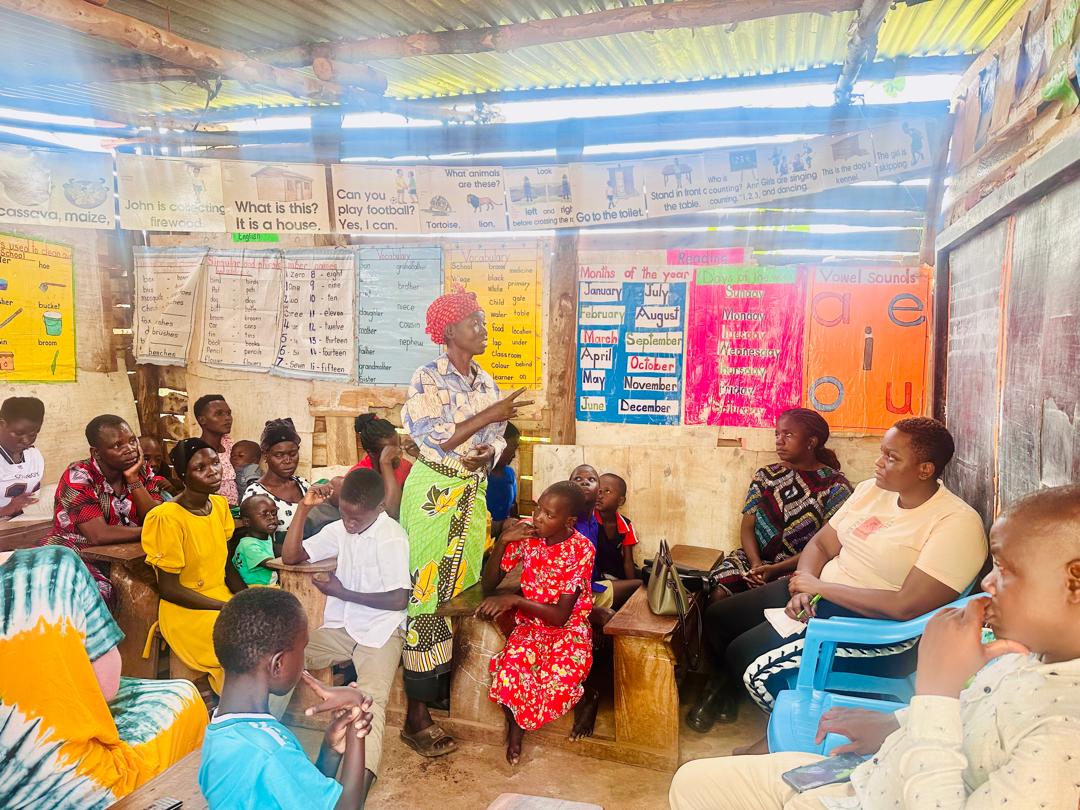
A concise look at Moyo Mzuri’s work across home visits, classroom support, caregiver conversations, and community gatherings.
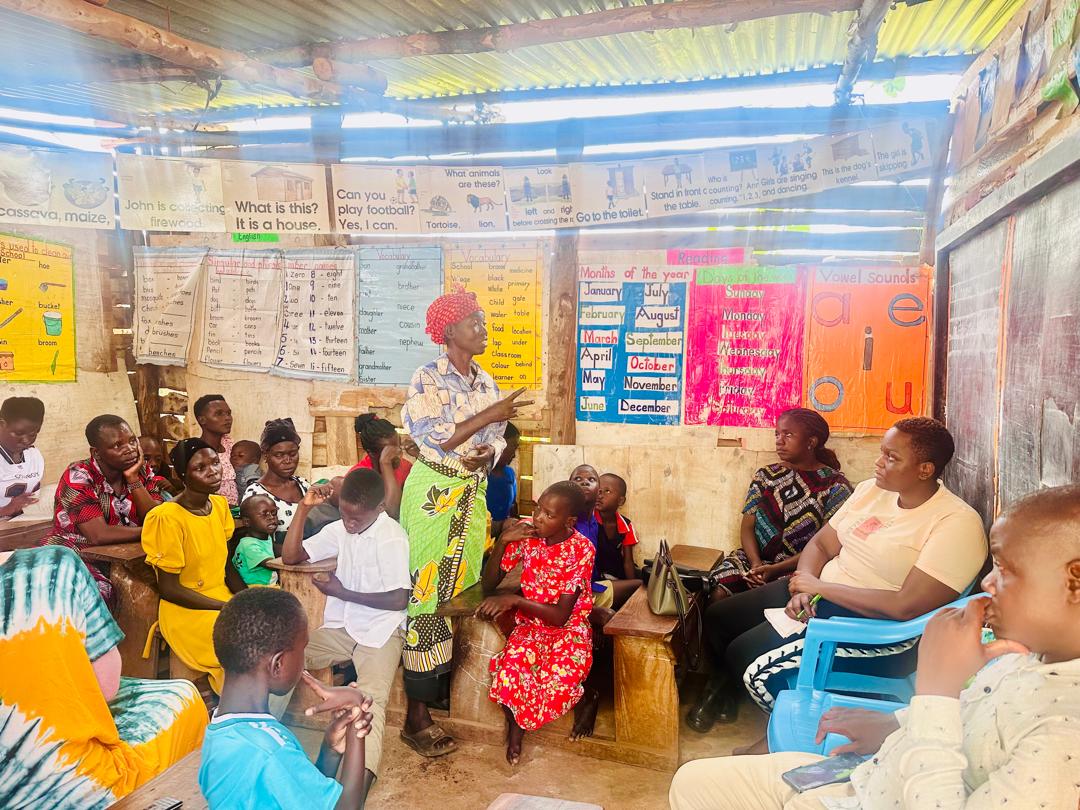
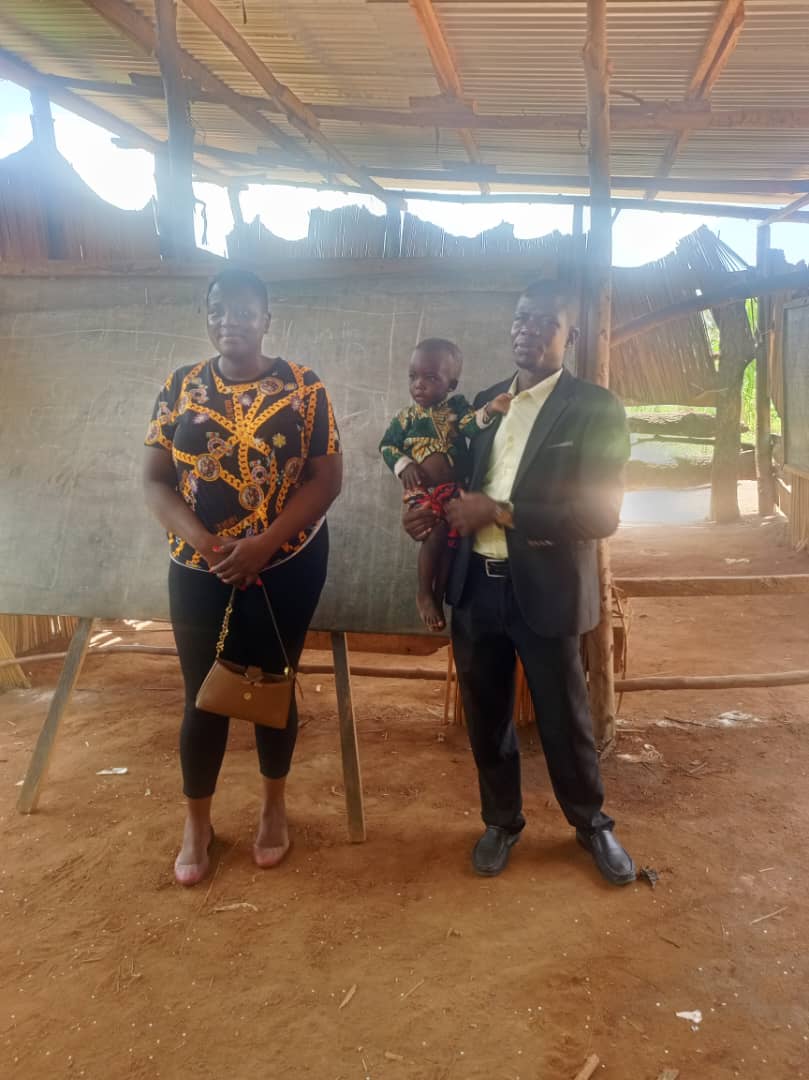
Education and community learning session.
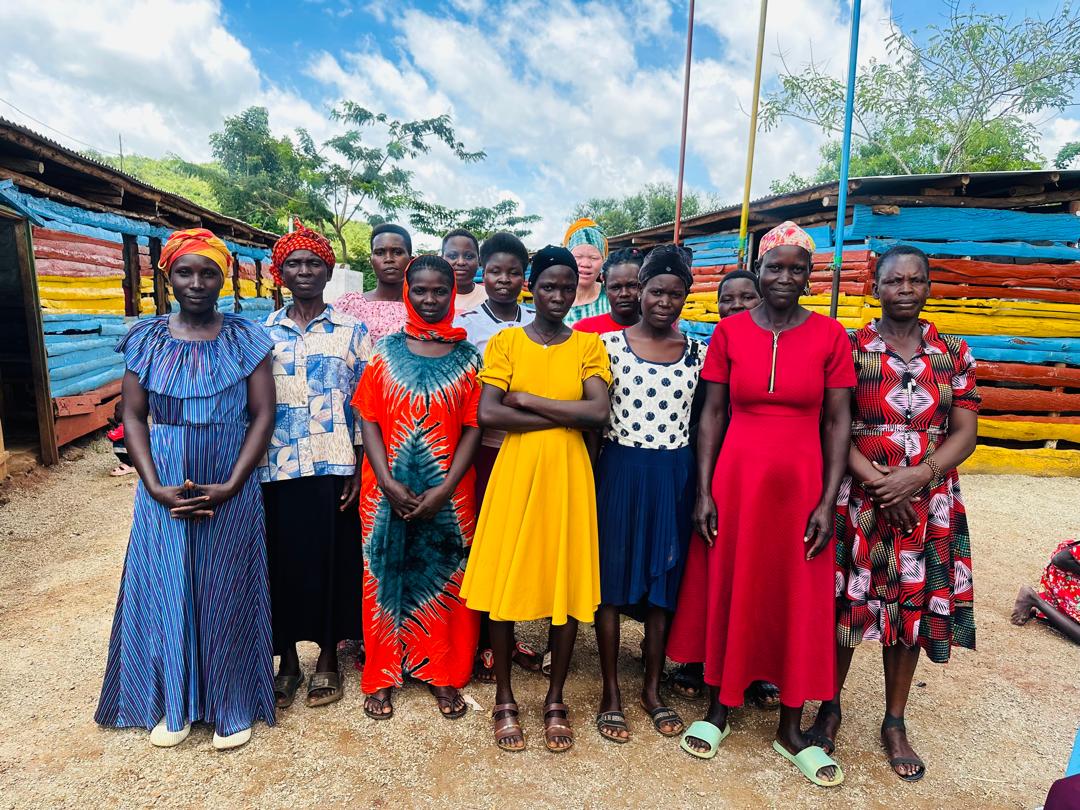
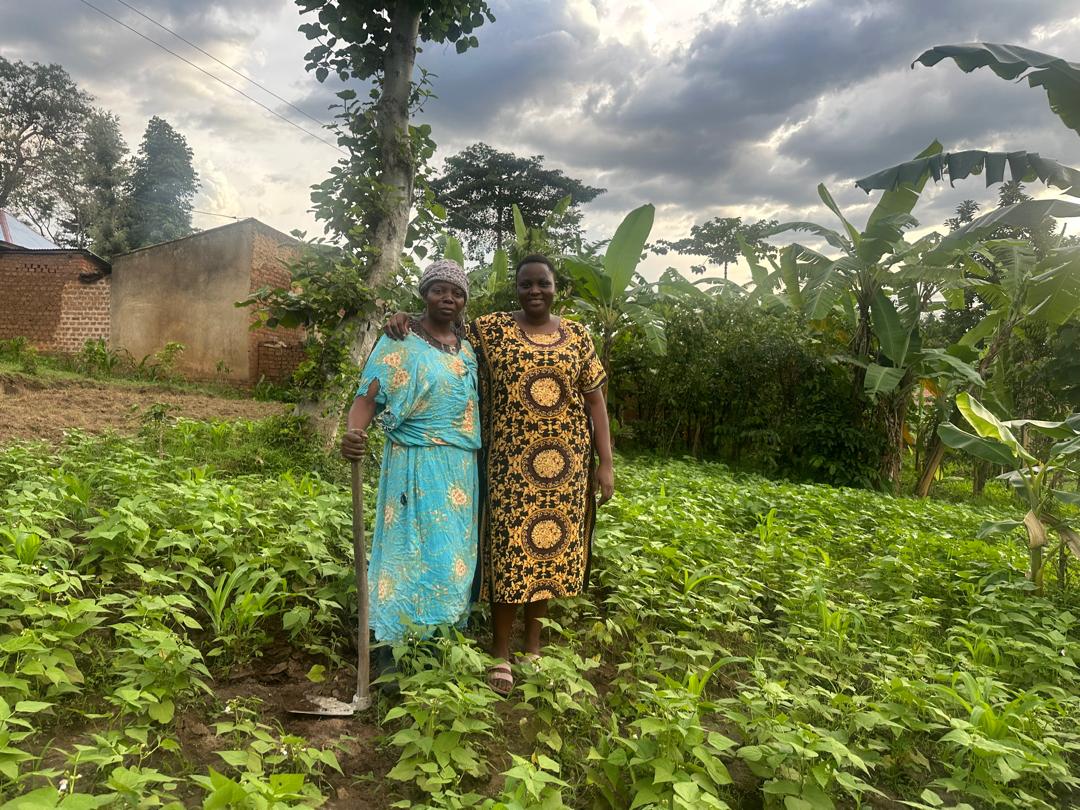
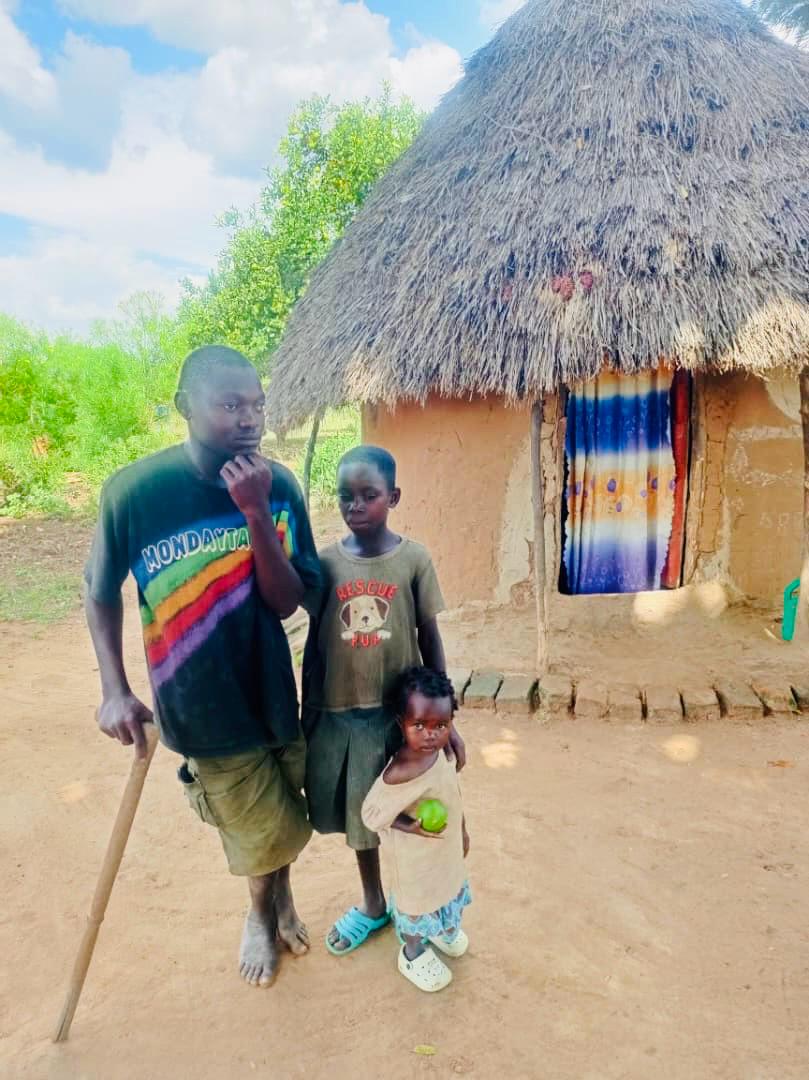
Practical support reaching children and caregivers.
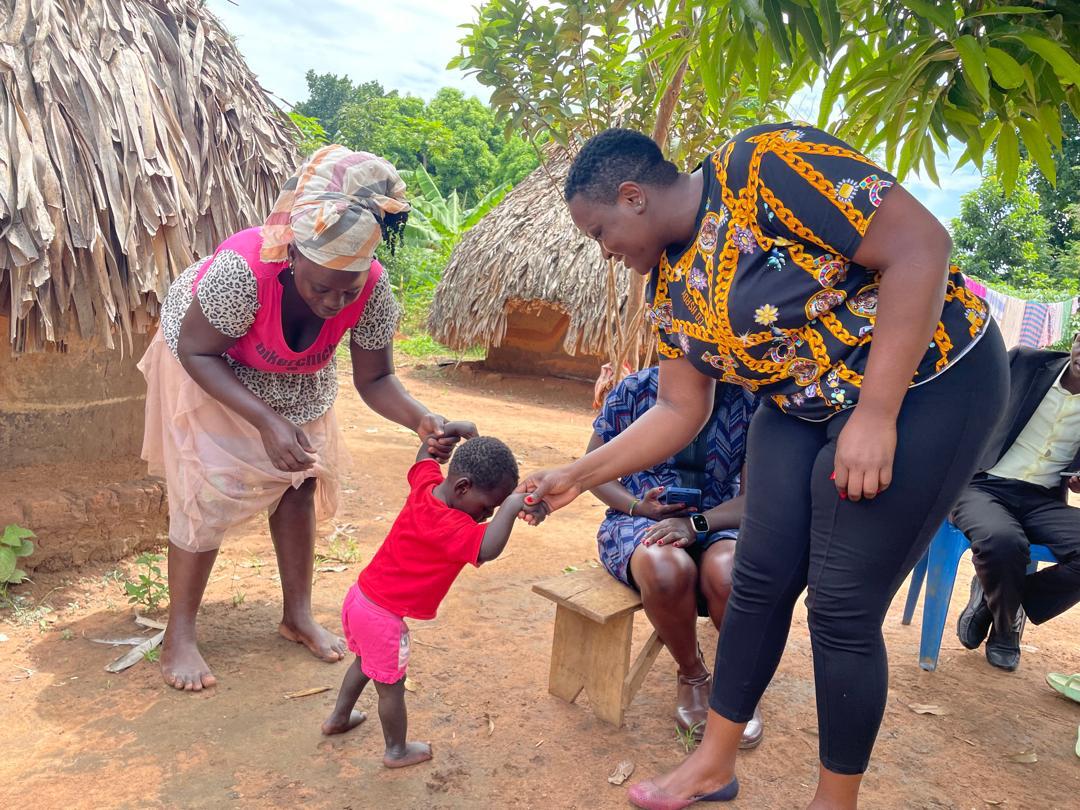
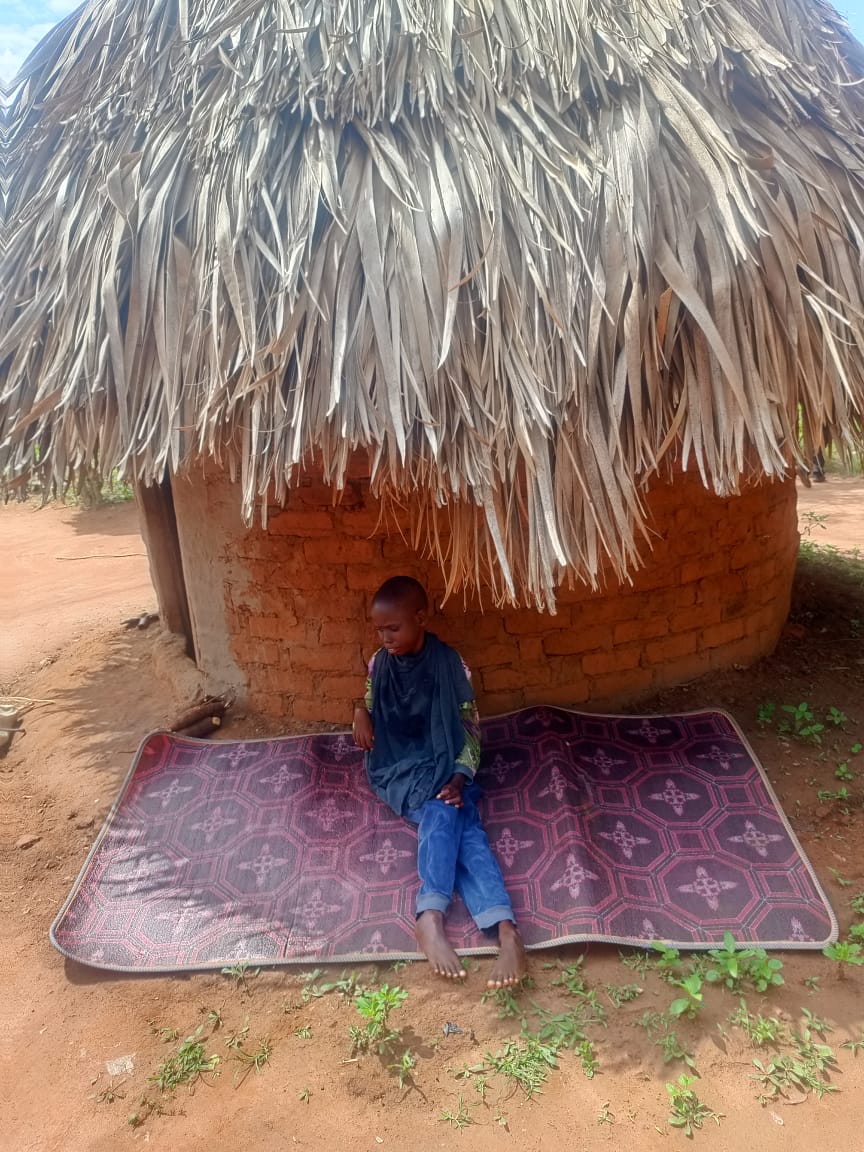
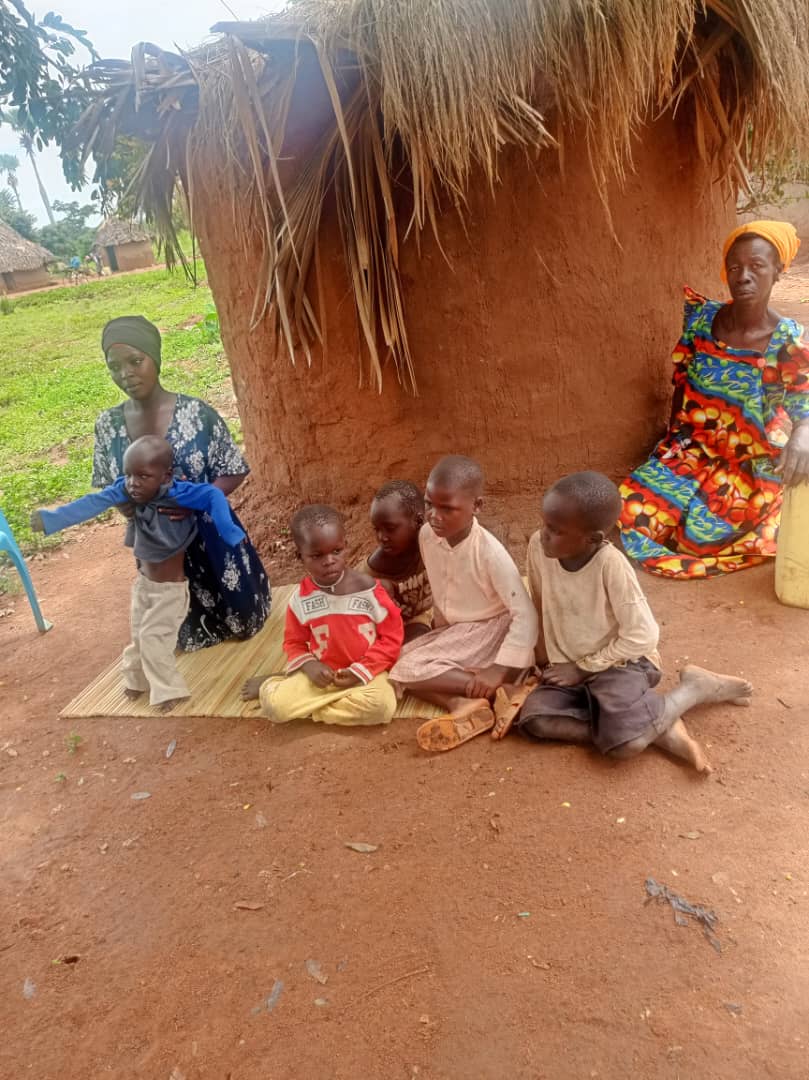
Home visit and caregiver conversation.
Support delivered during a family field visit.
Family support in a rural community.
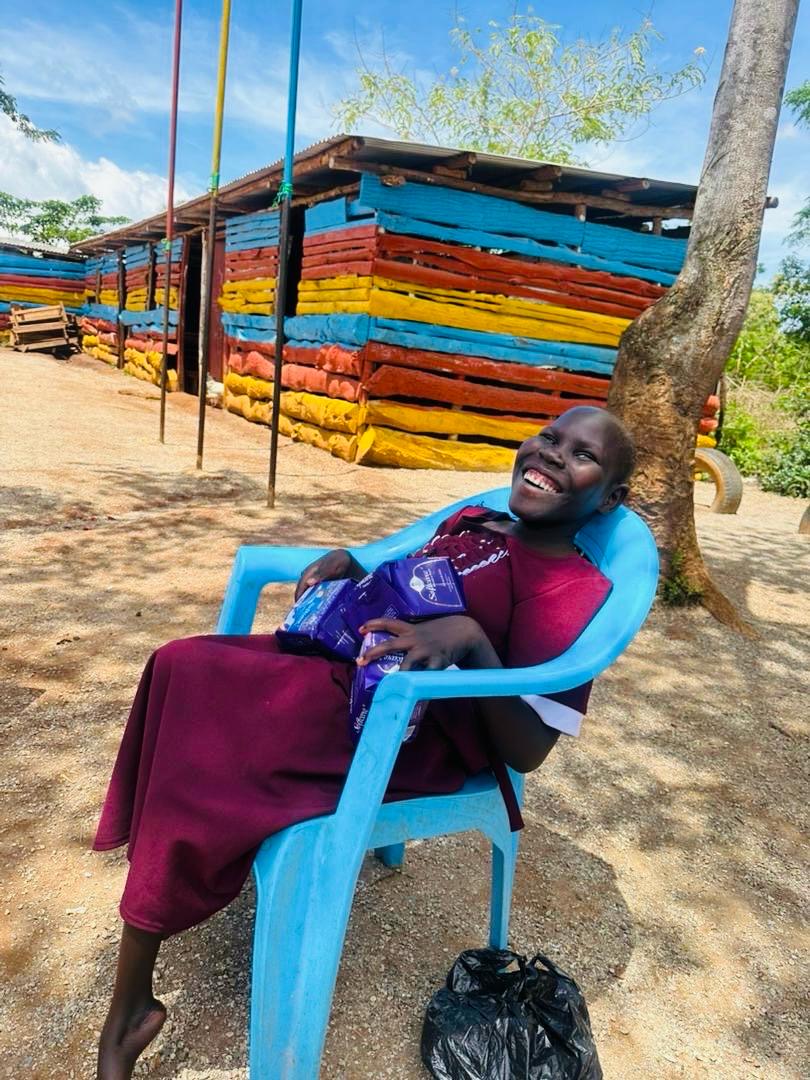
A moment of dignity and joy during field support.
Get Involved
Help a child stay in school. Help a caregiver build stability.
Your support can provide school essentials, therapy access, transport coordination, caregiver livelihood tools, or community engagement work that changes how children with disabilities are treated where they live.
Support Signup Form
Use this form to register interest in sponsorship, donations, volunteering, partnership, caregiver support, or school essentials.